
Table of Contents
- What is the Difference Between Therapy and Life Coaching?
- Why Do People Confuse Life Coaches and Therapists?
- Therapy vs Life Coaching: How Do I Know Which Is Right for Me?
- Which One Does My Young Adult Need?
- Can They Do Both?
- What About Campus Counseling?
- How Can Parents Be Involved?
- What Do I Do Next?
- Parent FAQ
- More Articles and Resources
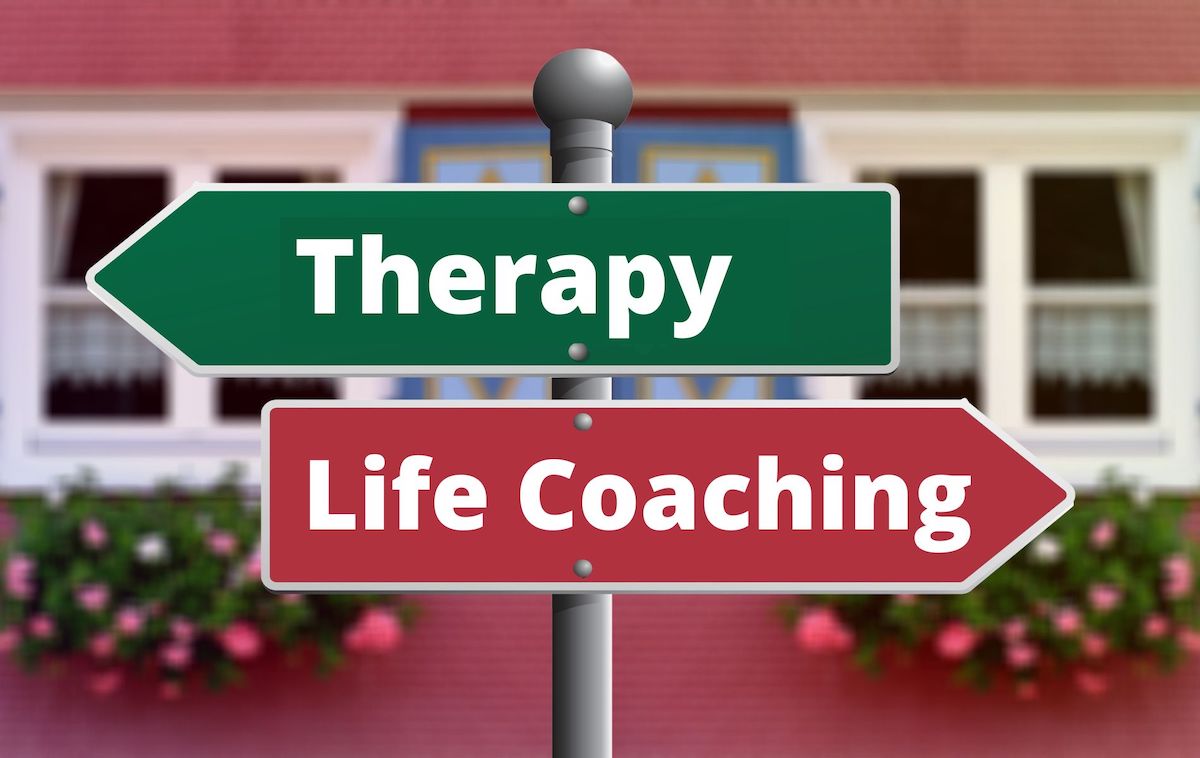
The short answer: Therapy is for healing. It’s led by a licensed professional who can diagnose and treat mental health conditions like anxiety, depression, or trauma. Life coaching is for moving forward. It helps a young adult (ages 17–30) who is basically okay but stuck, unsure, or unmotivated build direction, confidence, and life skills. Many young adults benefit from one, then the other, or both.
Do you need therapy or life coaching?
Or do you just need to talk to someone about the problems in your life?
These are questions many people are asking these days, and it can be difficult to find the right answers. Luckily, there are some great therapists and life coaches in your area who will be able to help you out, but they aren’t all alike, so it’s important to know how they differ before you start seeing them. Here are some common differences between therapy and life coaching that can help you decide which one is right for you.
What Is the Difference Between Therapy and Life Coaching?
There is a lot of confusion around the differences between life coaching and therapy, and understandably so. Before we get into the similarities we need to clearly define and understand each individually.
What is therapy?
Therapy is a broad term that includes physical therapy as well as psychological therapy, so for the purposes of this post we will look at the term “Psychotherapy.” Psychotherapy is literally defined as “treatment of mental or emotional disorder or of related bodily ills by psychological means” by Merriam Webster and “the treatment of mental or psychological disorders by psychological means” by Oxford Languages.
So right off the bat we see the word “disorder” being used in regards to therapy and counseling. Therapists work toward mental and emotional well being of their patients by listening and if need be, diagnosing them with a psychological disorder. This could be as simple as chronic anxiety or as complex as schizophrenia or bipolar disorder.
Whatever the degree of seriousness, a counselor or therapists typically works with people who are in potentially dangerous situations mentally and emotionally.
What is life coaching?
Some life coach definitions include “an advisor who helps people make decisions, set and reach goals, or deal with problems” (Merriam Webster) and “a person who counsels and encourages clients on matters having to do with careers or personal challenges” (Oxford Languages)
This is a good start. The only problem is that life coaches don’t just help you in your career, nor is it always about goals. There’s a phrase used on Oprah’s website to define what a life coach does that I really like:
A life coach is “an action-oriented mentor…”
Life coaching is a rapidly growing industry. Millions of people are seeking life coaches to help them take control of their lives and improve their situation. A life coach may help people choose a career path and rise to success professionally. They might coach you to be more relaxed and self-confident in social situations or relationship struggles. Or a life coach may help a client to simply overcome thought patterns that limit their potential.
Viewing a life coach as “an action-oriented mentor” helps us understand that the life coaching relationship is about taking specific action in order to see more desirable results in a given area of life.
How is a Life Coach Different than a Therapist or Counselor?
Simply put…therapy is about addressing and healing your past. Life coaching is about action in the present for a better future.
Where therapists work to diagnose and treat a broad spectrum of potential mental disorders, life coaches serve as wisdom and support to improve specific areas of your life.
My life coach puts it very simply, “Therapy takes you from dysfunctional to baseline. Coaching takes you from baseline to flourishing.”
Therapy helps you survive. Coaching helps you thrive.
Why Do People Confuse Life Coaches and Therapists?
The confusion between therapists and a life coaches is a growing problem, especially as the number of life coaches continues to grow.
Part of the problem is that counselors and life coaches do similar things. They are both gifted and trained in listening, asking intentional questions, and challenge your thought processes. They both are working to help you think, feel, and live a healthier, happier life. Both identify patterns of behavior that may not be serving and work to solve problems that affect their clients’ quality of life.
When it comes to therapy vs life coaching, there is definitely a lot of gray, murky, crossover…at least it appears that way.
A large part of the struggle to separate life coaches from therapists is the lack of regulation on life coaching.
Because therapists deal with diagnoses and potentially harmful situations, they have extensive oversight and regulation. They have to go through a lot more training and be approved by the state government in which they operate in order to practice as a licensed therapists.
Life coaching has no official governing body which means anyone can create a logo and call themselves a life coach.
This is great in that life coaches tend to be people with lots of experience and wisdom in a particular area and are more readily available than therapists, but it can problems. Because there is no official licensing procedure, there are A LOT of really bad life coaches out there that think they are experts when in reality, they have no business guiding other people. The joke around the life coaching profession is that many life coaches are 25 year olds who didn’t want to go to college or work a real job, so they stayed home and became a life coach.
There is some truth to this. All of us think we are experts in some way or another, but the truly wise ones are those that know what they don’t know and have the humility to say it.
I would never trust a life coach that acted like he/she had all the answers or like their life was perfect. Good life coaches can balance expertise with humility. They can readily admit ignorance while recognizing they are still growing themselves. You are not superman. You cannot change your life, do everything you ever dreamed, and live the perfect life in six months or less. If you want real help with real results, you will need a life coach that is a real person. You can read more about how to find the right coach for you here.
Therapy vs Life Coaching: How Do I Know Which Is Right for Me?
There are two questions I would ask myself if I was weighing hiring a life coach vs a therapist.
1. How am I doing?
When I sought out my life coach i was going through a hard time. I felt sad a lot. I felt angry a lot. Mostly, I felt trapped by my job and my inability to do the things that brought me life. I wanted to be a writer and help people, but I was stuck working for a large corporation that didn’t value me or my time OR helping people.
I felt pretty miserable, but in reality I was doing fine. I had a job that I was excelling at. I had a good marriage and some pretty good friends. I was doing great, I just wasn’t moving forward and had unrealized potential. That struggle was driving me crazy.
In that situation, a life coach was perfect for me. My coach helped me see that I really just needed to make a couple of changes, tweak a couple of things, and start taking small steps toward the life I really wanted. Less than a year later I was out of that job, got certified as a life coach myself, and was already helping people by utilizing my natural gifts and abilities.
Compare that with a couple of years later when I was going through the grief of losing a loved one to cancer. Some of the feelings were the same, but the underlying issue was a deep-seeded belief that the people I love will ultimately abandon me.
THIS was not work for a life coach. This was past-focused pain that needed some deep attention and healing. For that I went to my therapist.
2. What am I wanting?
What is the end goal of your time with a life coach or a therapist?
Are you wanting to “stop feeling this way” and live a normal life? Are you wanting to address the mental gymnastics of a toxic relationship with your parents, siblings, or significant other? Are you wanting to give up addictive behaviors that cause a lot of pain and difficulty in your life?
These are all things that a licensed therapist would be trained and experienced in working through with you.
However, if you find yourself thinking you want to do more, be more, experience more, you might be looking for a life coach.
In my first session with a new client I always ask what they hope to get out of our time together, what they hope changes for them. Here are some of the responses I get:
- I want to be more confident
- I want to be able to talk to people more easily
- I want to make friends and be more social
- I want to bring up my grades and feel proud of myself
- I want to get out of my dead-end job but I don’t know what I would do or how to get there
- I want to be a better spouse
- I want to learn to communicate better with my parents
- I want to live a life that better fits my personality and my passions
These are all excellent reasons to seek out a life coach to help you rather than a therapists. It’s not that therapists can’t help in these areas. Rather, it’s that these areas are a life coach’s expertise. Their training is focused on these things and they spend all their time thinking on and practicing these things themselves. Ultimately you need to hire the professional that is best for your unique needs.
Which One Does My Young Adult Need?
Here’s a simple checklist. It’s not a diagnosis. It’s a way to think about where your young adult is right now.
Signs that point toward therapy (talk to a licensed professional):
- Anxiety, sadness, or depression that has lasted weeks or months and isn’t lifting
- Past trauma, abuse, or grief that keeps coming back and getting in the way
- Any talk of self-harm, suicide, or not wanting to be here (call or text 988 right away, or 911 in an emergency)
- Substance use or other habits that feel out of control
- Daily life is breaking down: not sleeping, not eating, not getting out of bed, failing classes, or unable to hold a job
Signs that point toward life coaching:
- They’re basically okay, but stuck and not moving forward
- They don’t know what they want to do: major, career, or next step
- They have trouble with motivation, follow-through, or procrastination
- They need life skills: time management, budgeting, studying, communication
- They’re launching into adulthood (college, first job, moving out) and want a plan
- They want more confidence, friendships, or a life that fits who they are
If your young adult fits both lists, start with a licensed professional. If coaching isn’t the right fit, we’ll tell you honestly and help you find a licensed professional.
Can They Do Both?
Yes. Some young adults see a therapist for healing and a coach for next steps at the same time. They work on different things. If your young adult is in therapy, it’s a good idea to let their therapist know they’re also working with a coach so everyone is pulling in the same direction.
What About Campus Counseling?
If your young adult is in college, campus counseling is a great free or low-cost place to start for mental health support. Campus counseling and coaching do different jobs, though. We break down the difference here: College Counseling vs Life Coaching.
How Can Parents Be Involved?
You can help a lot without taking over. Start by asking your young adult what they want, not telling them what they need. Offer to help them find support and cover the cost if you’re able. Then give them room. Coaching works best when your young adult owns their goals, and you stay in the loop in a way everyone agrees on.
What Do I Do Next?
The question of therapy vs life coaching comes down to these two questions: “Where am I and where do I want to be?” If you are needing help to go from dysfunction to baseline, then reach out to a counselor or therapist near you. If you are wanting to get more out of life, to go from surviving to thriving, consider life coaching.
Remember that it is always okay to go from one to the other. If you choose life coaching and realize you may need deeper healing, then switch to a therapist. At the end of the day, the most important thing you can do is just reach for help. Do that and you’ve already won half of the battle.
Parent FAQ
Is life coaching a replacement for therapy?
No. Life coaching does not diagnose, treat, or assess mental health conditions. It’s built for young adults who are basically okay but stuck and want to move forward. If your young adult is struggling with their mental health, a licensed therapist is the right first step. Coaching can come alongside or afterward.
How do I know if my young adult is just stuck or needs more help?
Look at how daily life is going. If they’re sleeping, eating, and functioning but lack direction or motivation, coaching may fit. If they seem hopeless, can’t get through the day, or have mentioned self-harm, reach out to a licensed professional right away, or call or text 988.
My young adult doesn’t want help. What can I do?
Don’t force it. Ask what they want their life to look like in a year, and listen. Then offer support as an option, not a punishment. A free consult is a low-pressure way for them to see what coaching feels like and decide for themselves whether it’s a good fit.
Can parents book the consult for their young adult?
Yes. Many parents reach out first. We’ll talk with you about what you’re seeing, and then talk with your young adult directly, since they need to want coaching for it to work. If coaching isn’t the right fit, we’ll tell you honestly and help you find a licensed professional.
Does life coaching work online?
Yes. We offer online life coaching, so your young adult can meet with a coach from their dorm, apartment, or home. That makes it easier to stay consistent during busy semesters, a move, or a new job, and it works well for young adults who live in a different city than their parents.
Not Sure Where Your Young Adult Fits?
You don’t have to figure this out alone. Book a free consult and we’ll talk through what’s going on and what would help most. If coaching is a good fit, we’ll show you how it works. If coaching isn’t the right fit, we’ll tell you honestly and help you find a licensed professional.
More Articles & Resources on this Subject
- How to Find the Right Life Coach
- 8 Ways to Succeed in College Socially and Professionally
- Young Adult Life Coaching
- College Counseling vs Life Coaching
Disclaimer: Life coaching does not diagnose, treat, or assess mental health conditions and is not a substitute for therapy or medical care. If you or your young adult are in crisis, call or text 988 or call 911.




0 Comments